

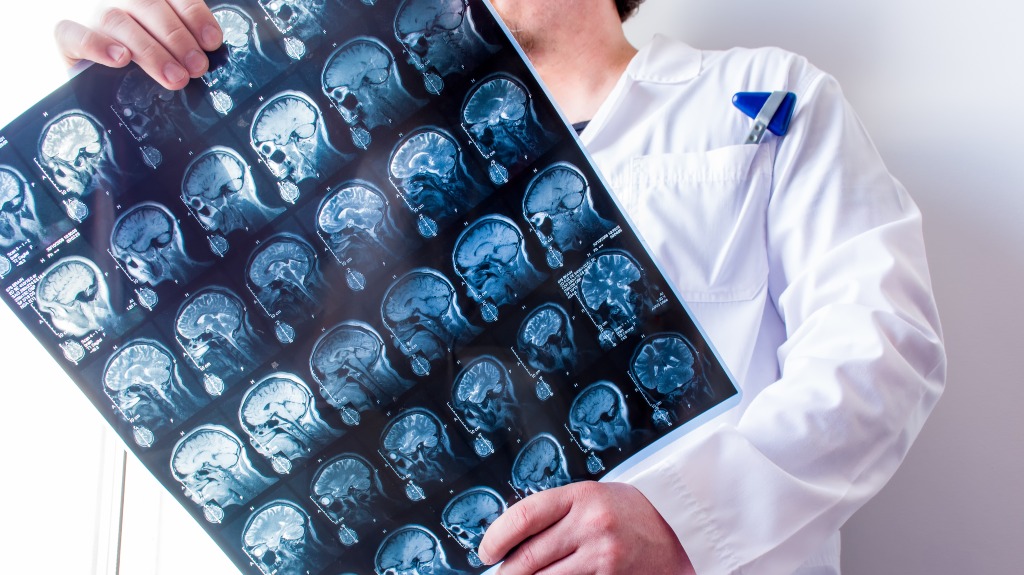
A prompt, accurate diagnosis can give you the best chance of recovery, because any delay in treatment due to a misdiagnosis or delayed diagnosis can allow a condition to worsen and limit effective treatment options. However, when doctors and staff at a Queens hospital fail to diagnose a condition or do not diagnose it in a timely manner, the missed diagnosis may constitute medical malpractice. But when does an adverse outcome from a misdiagnosis or delayed diagnosis become malpractice rather than simply a bad result that could occur during treatment? Understanding when a missed diagnosis results from malpractice can help you determine whether you might have the right to recover compensation when doctors negligently misdiagnosed you, and you suffered harm as a result.
Misdiagnosis vs. Bad Outcomes – The Legal Distinction
Not every incorrect treatment decision in a patient’s case constitutes medical malpractice. The law acknowledges that doctors and other healthcare providers can make mistakes due to the complex nature of medicine. However, a misdiagnosis or delayed diagnosis may go from simply a “bad outcome” to malpractice if a doctor or healthcare provider committed a mistake by deviating from the accepted standard of care. Medical malpractice occurs when a healthcare professional makes treatment decisions that do not comply with the standard of care. Although the specific requirements of the standard of care differ from case to case, healthcare professionals generally describe the standard of care as the treatment decisions or actions that other providers with similar training and experience would make in the same circumstances.
Doctors identify patients’ conditions through the differential diagnosis method. Under this method, a doctor identifies all the possible diagnoses based on the patient’s condition, symptoms, medical history, and lifestyle, and then rules out diagnoses based on testing, scans, and exams until only one diagnosis remains. A misdiagnosis may result from malpractice when a doctor fails to include the correct diagnosis or prematurely eliminates it in the differential diagnosis.
Commonly Misdiagnosed Conditions
Examples of health conditions that doctors more frequently miss include:
- Cancer
- Heart attack
- Stroke
- Sepsis
- Appendicitis
- Pulmonary embolism
- Hypothyroidism or Hyperthyroidism
- Lyme disease
- Lupus
Doctors in hospitals may misdiagnose or fail to diagnose these and other conditions in a timely manner because rarer conditions can share symptoms with more common ones, due to oversights during ER triage, or because of communication breakdowns within a patient’s care team.
Proving a Misdiagnosis or Delayed Diagnosis in Queens
To prove that a misdiagnosis or delayed diagnosis occurred due to malpractice by doctors and other healthcare professionals at a Queens hospital, you might rely on various kinds of evidence, such as:
- Medical records
- Staffing records
- Lab test results
- Radiology scans
- Patient charts
- Doctors’ notes
A medical malpractice case will also require expert testimony from a physician. This expert testimony must establish the applicable standard of care in your case, explain how your doctor’s treatment deviated from the standard of care, and opine as to how that deviation directly and proximately caused the misdiagnosis or delayed diagnosis of your condition.

Contact Our Medical Malpractice Firm Today for Experienced Representation
When a doctor or care team at a Queens hospital failed to diagnose your condition or failed to make a timely diagnosis, you may have the right to seek compensation for the harm and loss that resulted from your healthcare provider’s error. Contact McCann Legal, PC today for a free consultation with a Queens medical malpractice attorney to discuss the details of your case and determine if your doctor’s misdiagnosis or delayed diagnosis constituted medical malpractice.