

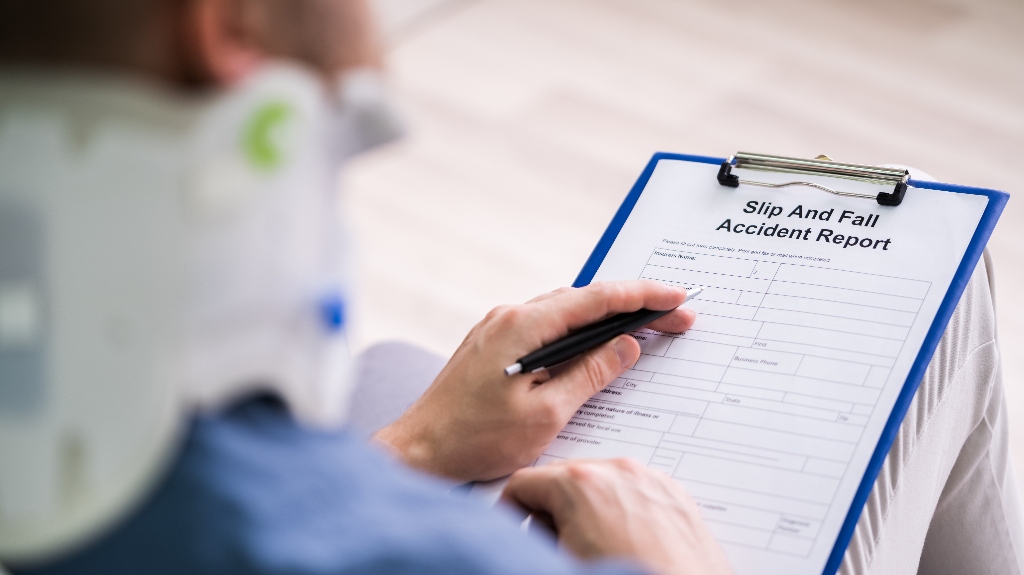
Sidewalks in New York City have various slipping hazards. However, when you get hurt in a slip and fall accident on an NYC sidewalk, who can you hold responsible for your medical bills, lost wages, or pain and suffering? Understanding how liability works for sidewalk slip and fall accidents in New York City can help you assess your legal options after you have an accident while walking in NYC.
NYC’s Unique Sidewalk Liability Laws
The New York City Administrative Code requires owners of property abutting sidewalks to maintain the sidewalk in a reasonably safe condition. Section 7-210 of the Code holds property owners liable for injuries caused by the owner’s failure to maintain the sidewalk abutting their property in a safe condition. However, this liability rule does not apply to owner-occupied one-, two-, or three-family properties used exclusively for residential purposes. The Code also relieves the city of any liability for injuries on sidewalks, except those abutting owner-occupied one-, two-, or three-family properties.
Negligent failure to maintain a sidewalk can include failing to install, construct, reconstruct, repave, repair, or replace defective sidewalk flags, and failing to remove snow, ice, dirt, or other material from the sidewalk.
When Do Property Owners Bear Liability for Sidewalk Accidents?
Property owners in New York City may bear liability for sidewalk accidents that occur on sidewalks abutting their properties, unless the owner owns and occupies a one-, two-, or three-family residential property. The NYC Administrative Code makes many property owners responsible for maintaining abutting sidewalks at their expense. As a result, a property owner may become responsible for a pedestrian’s slip and fall accident on a sidewalk abutting their property that results from hazardous conditions, such as:
- Cracked pavement
- Uneven sidewalk sections
- Snow and ice
- Missing concrete
- Spilled food or substances
However, a property owner typically must have actual or constructive notice of a hazardous condition on the sidewalk abutting their property before they can become liable for a slip-and-fall accident caused by that hazard. An owner may have constructive notice of a hazard when it exists long enough for the owner to discover it through reasonably diligent inspections of the sidewalk.
When the City May Become Liable
The City of New York may bear liability for slip and fall accidents that occur on certain sidewalks in the city, such as sidewalks abutting city parks or public buildings like municipal offices or public library branches. However, pursuing a slip-and-fall case against the city requires following strict claim procedures, including serving a notice of claim on the city comptroller’s office within 90 days of the accident.
The Role of Comparative Negligence

New York follows the pure comparative negligence rule, which allows an accident victim to pursue a claim for compensation even if they bear partial responsibility for the accident. However, any share of fault they bear for the accident can proportionally reduce their financial recovery in a lawsuit. As a result, comparative negligence can play a role in a slip-and-fall case when an accident victim contributes to the accident through negligent conduct, such as distractedly looking at a cell phone or running over visible snow and ice.
Proving Liability in a NYC Sidewalk Slip and Fall Case
Evidence you might need to hold a party liable for a slip and fall accident you have on an NYC sidewalk includes:
- Photographs of the hazardous condition
- Surveillance footage of the accident
- Weather reports
- Maintenance or repair records
- Eyewitness statements
- Accident/incident reports
Contact Our Personal Injury Lawyers Today
After slipping and falling on a NYC sidewalk, you may have the right to hold various parties liable for your injuries and losses. Contact McCann Legal, PC today for a free, no-obligation consultation with a personal injury attorney to learn more about your legal options for financial recovery after you suffer a slip and fall accident in New York City.